Check out these click-worthy examples of persuasive copy for online ads. Discover why they work and how to test for persuasive ad copy.
The world of digital marketing makes it super easy for you to reach your target audience. But you have to whip up a mighty persuasive online ad if you want your prospects to click on yours. Persuasion is one of our CRO Agency secret weapons. It is layered into so much of what we do and is often the difference between beginners and conversion optimization experts.
In this post, we’ll review the definition of persuasive copy, how to make sure it works, and show you compelling examples of persuasive copy in online advertising.
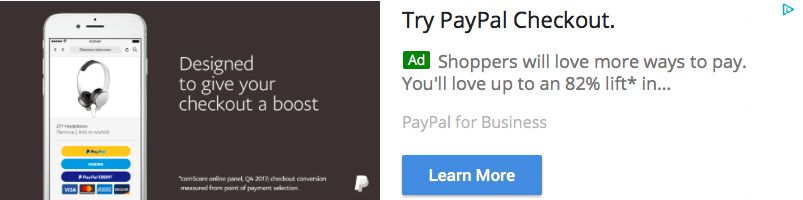
Appeal to logic emotion and credibility all in one. Check out these click worthy examples of persuasive copy in online advertising.
What is Persuasive Copy
Persuasive copy can be defined as an argument that elicits a desired action from a relevant audience. Easier said than done, right?
Aristotle explained what constitutes persuasive copy best in his rhetorical appeals or ‘modes for persuasion’. Let’s keep in mind that his goal was to make his oratory (his presentations) more persuasive. And in doing so, he identified three types of persuasion appeals that are as valid today as they were back then.
- the appeal to reason, logic or logos
- the appeal to emotion or pathos
- and the appeal to one’s character, credibility or ethos
Not everybody makes a decision about a specific product or service based on the same argument. Purchasing a lipstick could be more of an impulse buy and an appeal to pathos or emotion may be the right call. Adding an appeal to reason such as “Free Shipping” may seal the deal and get you the click you desperately want.
The key is recognizing that different types of persuasive copy resonate with different people—and even the same person, depending on the context. For example, a tired commuter might see an ad for cozy bedding that simply says, “Go back to bed”—and instantly feel a yearning for comfort and rest. It’s not just clever copywriting; it’s a masterclass in tapping into universal desires with brutal simplicity.
Why This Matters
Everyone brings their own motivations and objections to the buying journey. Your job as a copywriter is to identify which core benefit or emotional trigger will speak directly to your audience in the moment. Does your product offer a universal good—comfort, convenience, a boost in confidence? Highlight that.
- Appeal to emotion for impulse buys or aspirational products.
- Appeal to logic for practical purchases or when buyers need reassurance.
- Appeal to credibility when trust and authority will tip the scale.
By combining these appeals or focusing on the one that matches your buyer’s mindset, you make your ad copy far more persuasive. Test different approaches and let your audience’s response guide your optimization.
What Makes an Ad Truly Persuasive?
Persuasive ads are fundamentally designed to spark a specific action, usually a purchase. Think back to those persuasive essays from school: the goal was always to convince your reader of something. Persuasive advertising works in much the same way, aiming to nudge your audience toward the checkout, the signup, or the phone call.
And here’s the kicker: persuasion isn’t just for one channel. Whether you’re crafting a headline for a digital campaign, scripting a radio spot, designing a billboard, or writing a snappy PPC ad, the principles remain the same. Across every medium, the best ads use a blend of logic, emotion, and credibility to win over their audience.
Let’s assume you have the right ad placement, defined the perfect audience, and have properly identified what your audience responds to. After all, persuasive ad copy in and of itself is not the only factor that weighs in on a campaign’s success.
Is your ad copy missing the mark? Has your click through rate hit a new low?
We all want our online ads to influence our audience in such a way that they are inclined to click to call or click to buy from our website. But, what makes copy this convincing? Sometimes, actual examples of persuasive copy can guide us in crafting our own click-worthy online ads.
Learning from the Best
To really master persuasive copywriting, it’s worth looking at successful ads across different platforms. Whether it’s the emotional tug of a charity billboard, the logical lure of a “limited time offer” in a digital ad, or the credibility of a testimonial-packed print campaign, top-performing ads often blend these elements seamlessly.
So, how can you apply these time-tested techniques to your own ads? By understanding your audience, leveraging Aristotle’s three appeals, and studying real-world examples, you’ll be one step closer to writing persuasive ad copy that actually gets results.
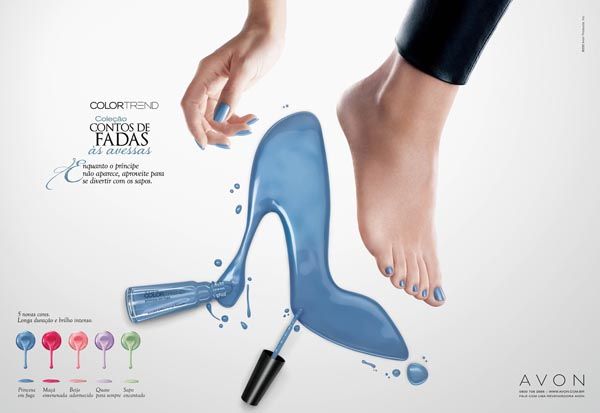
An example of emotionally persuasive copy in this Avon color trend nail polish, Fairytale collection: “Until your prince charming shows up have fun with the frogs.”
Avon color trend nail polish, Fairytale collection. The copy reads: “Until your prince charming shows up have fun with the frogs”. Why is this a prime example of persuasive copy in advertising? The famous Prince Charming in other countries, like Brazil and Italy, is called the “Blue Prince”, royal blue blood and all. So, until the blue one shows up, have fun with the rest of the colors. Clever emotional argument to leave the guilt behind and have fun now. If the shoe fits. ;)
But what about those times when you’re not just selling color, but also convenience and irresistible options? Take, for example, a pizza delivery ad that recognizes your hunger and meets it with a smorgasbord of cheesy bites, timely deals, and endless combos to choose from. These ads don’t just rely on one persuasive angle, they layer convenience (“delivered to your door”), urgency (“limited-time offer”), and variety (so many toppings, so little time).
For many (read: anyone with an appetite), this approach makes the click almost inevitable. The lesson? Sometimes, people want a simple fix for a simple problem, but when options and indulgence are on the table, don’t hold back. Play to those cravings—hunger, desire, even FOMO—and show how your product solves the problem in style.
Fortunately for most of us, developing persuasive copy is not an art but a data driven process. And as such, it can be tested.
How to Test Persuasive Copy in Online Advertising
As investment in digital advertising increases, it becomes essential to figure out what really works. Ad copy testing can be executed pre-campaign launch or while the campaign is live.
Some methods for online ad copy pre-testing may include focus groups, projective techniques, and recall tests. Performing these pre-tests ensures less spend is lost when it comes to activation.
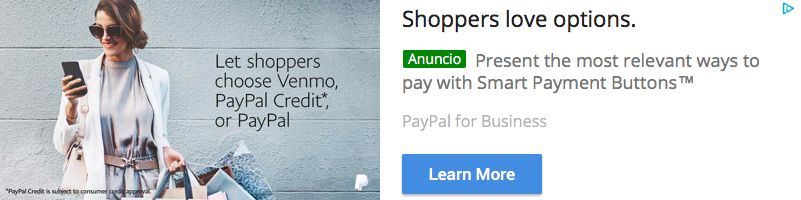
Running an online ad campaign is costly. This is a different version of the Paypal for Business ad used to test the level of persuasiveness in the copy. What appeal has been dropped? Let us know in the comments section at the end of the post.
But the proof is in the pudding and nothing beats solid AB Testing to prove you with the metrics you need to define what’s really working. If you are looking to learn about testing persuasive copy, our blog is packed with articles that explain how to do this in detail. Check them out:
- The Proven AB Testing Framework Used By CRO Professionals
- 4 Types of Useful AB Testing Tools You May Not Realize You Have
- The AB Testing Process that Empowers Marketers
- 4 Mobile AB Testing Ideas that Worked for Our Clients
Or you can take our CRO Course and become a conversion specialist. Or if you’d rather have an experienced conversion agency power boost your online marketing spend and turn more of your ad clicks into revenue, check out our CRO for Advertising solutions.
Practical Ways to Make Your Copy More Persuasive
Testing is critical, but before you even launch, it helps to understand the proven persuasive levers you can pull. Here are some actionable ways to approach your ad copy, inspired by what works across industries:
1. Solve a Real Problem
Get specific about the annoying problems your product solves. People want solutions that make life easier—lean into that in your copy.
2. Let Your Customers Do the Talking
Consider including a customer review or testimonial in your ad. If you have a killer quote, sometimes the best copy is simply letting your happiest customer speak for you.
3. Build Community and FOMO
Appeal to your audience’s desire to belong or their fear of missing out. For some markets (think fashion or exclusive launches), this can be a powerful motivator.
4. Highlight Cost Savings
If your product is more affordable than the competition—or saves people money—make that benefit crystal clear. A logical, numbers-driven appeal works wonders for budget-conscious buyers.
5. Evoke Emotion and Comfort
Don’t underestimate the power of emotion. Sometimes, showing the comfort, fun, or even laziness your product enables (think cozy bedding or a Netflix marathon) can win hearts.
6. Address Competitor Weaknesses
Listen to what people dislike about competitors, then position your solution as the answer. (Tread lightly here; keep it classy.)
7. Use Social Proof and Influencers
If trusted experts or influencers love your product, don’t be shy about it. Social proof builds credibility and trust—just make sure it’s relevant to your audience.
8. Tackle Objections Head-On
Address common concerns directly in your copy. If people worry about shipping times, product durability, or ease of use, show them how you’ve solved it.
9. Showcase the Numbers
Brag about how many satisfied customers you have—“Trusted by over 2 million runners”—for instant credibility.
10. Keep It Simple and Relatable
Sometimes, the most persuasive copy is the simplest: “Keeps you dry on rainy days.” Tap into universal needs and make the benefit obvious.
11. Make the Unfamiliar, Familiar
If your product is new or innovative, draw comparisons that make it less intimidating. Help your audience feel at home with your offer.
12. Offer a Plethora of Options
For products with variety (like pizza delivery or customizable apparel), highlight the range and play to people’s desire for choice and instant gratification.
13. Humanize Your Brand
Show off the people behind your products. Authenticity matters—customers want to know real people are creating what they buy.
By combining rigorous testing with these persuasive techniques, you’ll have a much stronger chance of crafting ad copy that not only resonates, but converts.
And as we promised an article about compelling examples of persuasive copy in online advertising, let’s dive into them!
Why Is Persuasive Copy Crucial to Online Ads
Let’s assume you have the right ad placement, defined the perfect audience, and have properly identified what your audience responds to. After all, persuasive ad copy in and of itself is not the only factor that weighs in on a campaign’s success.
Is your ad copy missing the mark? Has your click through rate hit a new low?
We all want our online ads to influence our audience in such a way that they are inclined to click to call or click to buy from our website. But, what makes copy this convincing? Sometimes, actual examples of persuasive copy can guide us in crafting our own click-worthy online ads.
Making the Unfamiliar, Familiar: Easing Audience Anxiety
Let’s face it: trying something new, even if it’s just a different orange juice or a SaaS tool can give people pause. This is where truly persuasive ad copy can shine. The secret? Bridge the gap between the unknown and the familiar.
Here’s how effective ads do it:
- Use relatable situations and language: If you know your audience doesn’t like surprises, show them how your product slots right into their routine. Maybe it streamlines a daily task or upgrades something they’re already doing.
- Address common hesitations head-on: Acknowledge that new products can be intimidating, but highlight features, benefits, or guarantees that remove the risk. Think of “30-day money-back guarantee” or “trusted by thousands around the world.”
- Leverage social proof and testimonials: Nothing inspires confidence like seeing that other people—especially those similar to your target audience—have already made the leap and loved it.
At its core, persuasive advertising doesn’t just introduce a product. It reassures people that making the switch is easy, comfortable, and, in the end, just another step toward something better.
The Power of Authenticity: Why User-Generated Content Wins in Persuasive Online Ads
What makes an ad truly stand out in a sea of polished, overly-scripted promotions? Increasingly, it’s authenticity, and that’s where user-generated content (UGC) or ads styled to feel “real” enter the picture.
Ads that mimic the look and feel of content from everyday people (think influencers, loyal customers, or even your neighbor with an eye for a good burrito deal) have a certain trustworthiness. When potential customers see a peer getting real benefits, like saving money meal after meal, it sends a powerful signal: “This could be you.” Not only do these relatable stories demonstrate how a product works, but they also weave logic and credibility together.
In short, authenticity replaces skepticism with possibility. Suddenly, your product isn’t just another sales pitch. It’s an everyday hack, a savvy move already in play by people just like your audience. Not coincidentally, research shows that real voices and honest experiences increase click-through rates and conversions.
If you want your ad copy to truly persuade, lean into authentic storytelling, especially if your product can be shown improving real lives (and, let’s be honest, real bank accounts). When your audience sees someone they trust enjoying real savings, their defenses go down and their curiosity (and likelihood to click) shoots up.
Celebrities, Influencers, and the Power of Social Proof in Ads
Let’s talk about the not-so-secret weapon in persuasive ad copy: celebrity endorsements and influencer partnerships. Why do they work so well? It’s simple—the right personality gives your message that trust turbo-boost and plenty of personality, making even the most skeptical scroller stop and take notice.
When a household name or recognizable face champions your product, you’re instantly borrowing some of their credibility and likeability. But you don’t have to recruit a global pop star to pull this off. Partnering with the right influencer—especially those with a dedicated, engaged fanbase—injects your brand with authenticity while still tapping into that all-important social proof.
Want to do this the smart way?
- Pick people with genuine enthusiasm for what you offer, not just a big follower count.
- Keep it on-brand. Matching the influencer’s vibe and storytelling style to your message makes everything feel seamless.
- Leverage relatability. Micro-influencers often have niche audiences who trust them more than megastars.
- Encourage storytelling over hard-selling. Simple anecdotes, “a day in the life” posts, or even self-aware humor make ads feel less like ads and more like a friendly recommendation.
- Use in-content cues. For example, having the influencer narrate or demonstrate, weaving product use naturally into their own world.
Both big-name celebrities and social media personalities can bring that extra push to your campaigns, whether it’s emotional appeal, humor, or simple trust-building through association. Combine this with a persuasive offer or memorable copy, and you’ve got an ad your audience won’t soon forget.
Internal Campaigns: Turning Team Spirit into Persuasive Gold
Now, here’s a fun twist: persuasive copy isn’t just for charming your external audience. Some of the savviest ads out there never hit Facebook or Google, but instead rally the people closest to your brand: your employees, contributors, and internal collaborators.
Why does this matter? When you celebrate the people behind the curtain, you do more than foster company pride—you’re also stealthily marketing to the outside world. A campaign that spotlights your team’s dedication or unique journeys shows prospects and customers that your brand is powered by real folks with real stories. It’s authenticity with a side of persuasion.
The Ripple Effect of “Feel-Good” Internal Ads
- Builds trust: Showcasing your team humanizes your brand.
- Inspires action: Potential staff and contributors see you value your people—suddenly, joining your ranks looks pretty appealing.
- Sparks conversation: Happy, engaged teams turn into powerful brand advocates, both online and off.
Whether you’re toasting your engineers at Apple for the latest iOS wizardry or shining a light on the Starbucks baristas who keep your community caffeinated, internal campaigns have the power to persuade at scale. So next time you’re drafting ad copy, take a quick left turn into your office break room—your most compelling message may be waiting by the coffee machine.
Compelling Examples of Persuasive Copy in Online Advertising
A genius way to apply emotion to a SaaS service on a Facebook ad for Litmus & dotmailer.
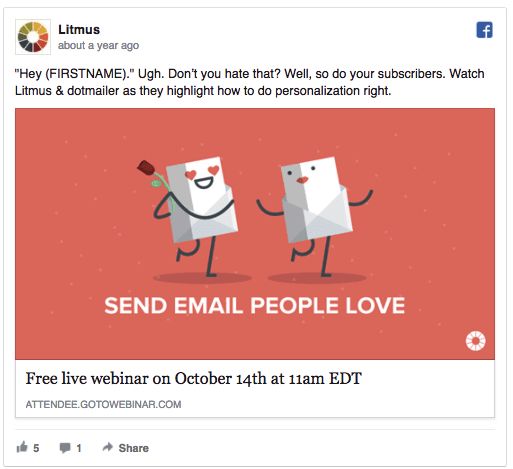
Examples of persuasive copy in online advertising help illustrate the concept.
Appeal to logic or logos works quite nicely for the auto insurance industry. I wonder what would happen to these click-through rates (CTRs) if they added some emotional arguments to the ad copy.
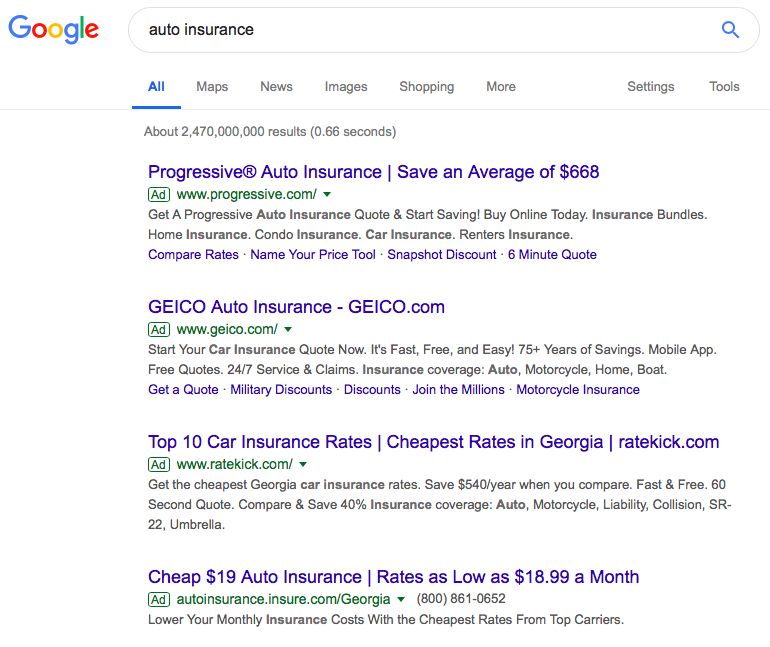
Auto insurance appeal to logic examples. They all look alike. Which one would you click on?
Finding examples of persuasive copy in advertising is simple if there is a Google Guarantee available. Not an easy addition to your online ads but worth every penny. All the credibility you want in a single line.
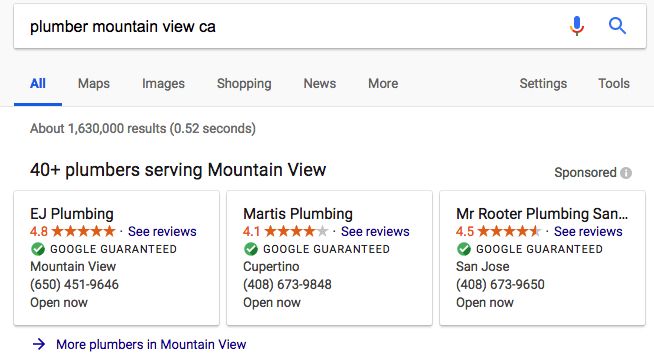
Building credibility through the Google Guarantee.
Ethos and logos appeal for this Facebook ad campaign.
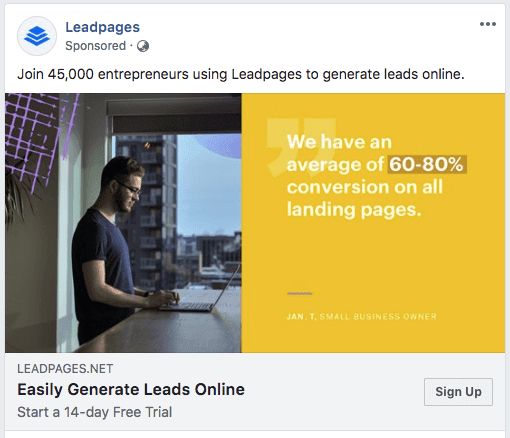
Ethos appeal.
Lower the guilt with a logical argument. Less fat and less calories than your biggest competitor: McDonald’s french fries. How is that for an attention-getting example of persuasive copy?
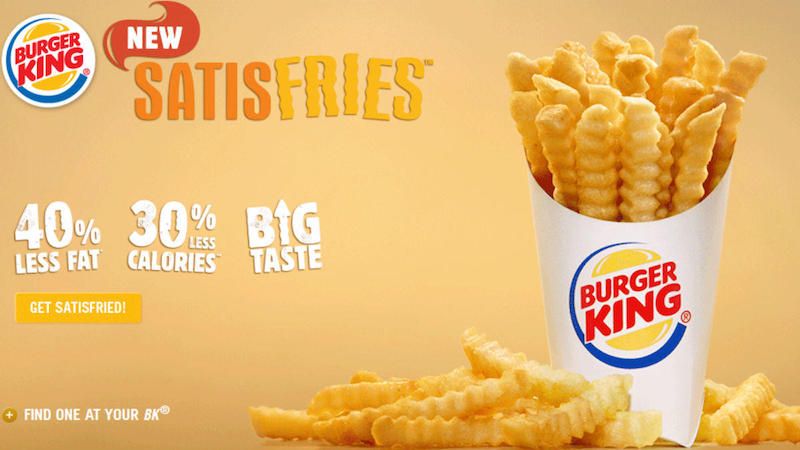
Burger King fries ad copy. Stop clicking the button and keep reading!
Why does this work?
This type of persuasive copy goes straight for the logical appeal—what Aristotle would call logos. Instead of trying to tug at your heartstrings, it gives you a reasoned, quantifiable benefit: fewer calories and less guilt. It’s simple, direct, and effective for anyone who wants to make better decisions but doesn’t want to completely give up fast food fries.
How can you use this approach?
If your product or service genuinely outperforms the competition on price, health, or savings, don’t be shy about showing the numbers. For example, if your meal has 30% fewer calories, or your subscription saves customers $10 a month compared to the leading brand, say it plainly. Shoppers love seeing instant, tangible benefits—especially when it helps them justify their craving or purchase.
Appeal to the rational mind, and you’ll find your copy not only grabs attention but makes clicking “Buy Now” feel like the smart thing to do.
Of course #FOMO is an emotion! This compelling example of persuasive copy in online advertising proves it! Almost depleted iPhone battery coupled with “Last Chance to Buy T&C Tickets” An example from a Digital Marketer Facebook ads campaign.
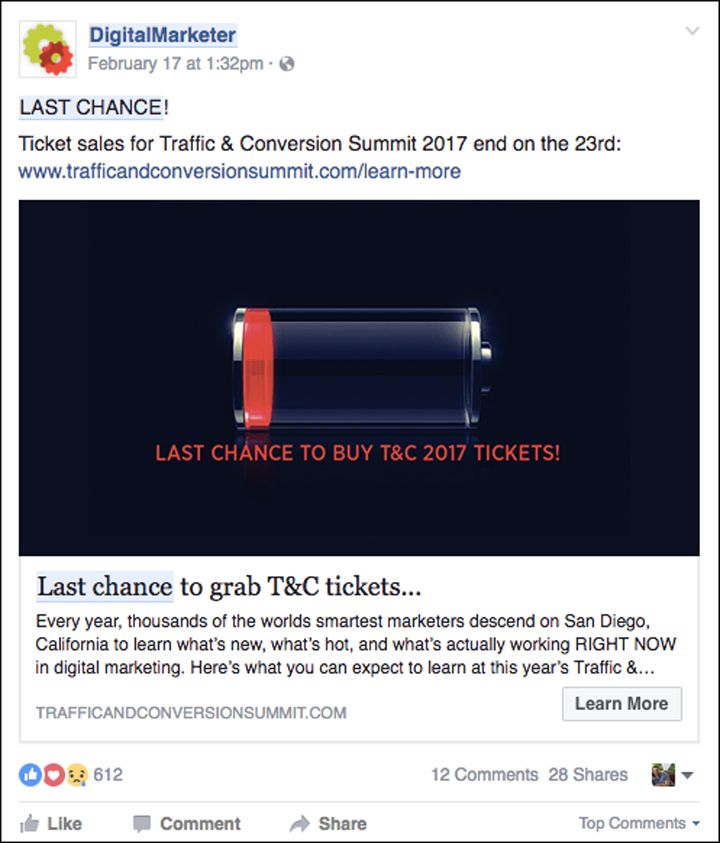
Appeal to emotion iPhone battery Facebook Ad example from Digital Marketer.
Why These Ads Work
What’s the secret behind all these examples? Each one pinpoints a specific concern or desire of its audience—credibility, trust, guilt, urgency—and addresses it head-on. The Google Guarantee ad puts all doubts to rest in just a few words, leveraging instant credibility. The Burger King fries campaign removes the guilt barrier by offering a logical, healthier alternative, while the Digital Marketer ad taps into the universal fear of missing out (and, let’s be honest, that low-battery anxiety we all know too well).
How to Apply This to Your Ads
Start by identifying a key problem, worry, or hope your audience has about your product or service. Is it safety? Social proof? Value? Show them that their concern is a non-issue—or better yet, that choosing you gives them a unique advantage. The most persuasive ads don’t just push a product; they dissolve obstacles and make the choice feel obvious.
Searching for click-worthy examples of persuasive copy for your Facebook lead generation campaign? A winner. Hands-down. No big emotional commitment. Only 8 hours for $500 and you get rid of those pesky projects.

Lead generation ad example targeting homeowners looking to start projects.
IBM Watson understands that their audience responds to reason. And that some may be ready to buy. The free trial is a highly persuasive method to get them to click on their ad.
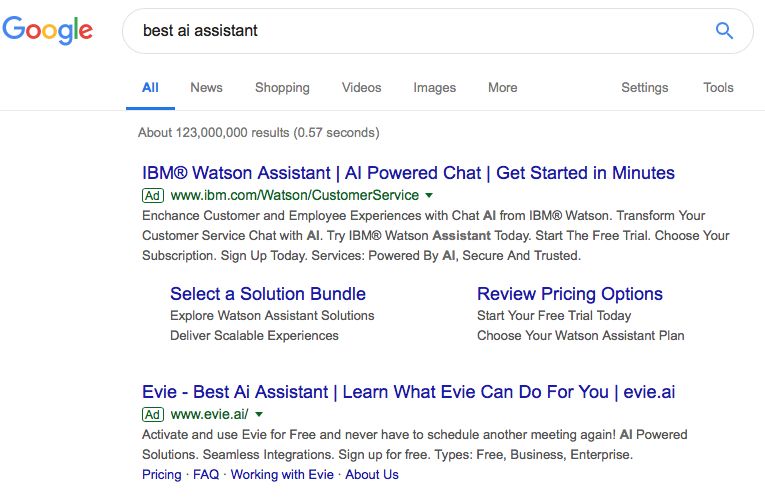
IBM Watson “free trial” a persuasive element of their offer.
This online ad for WD40 is all about persuading through pathos. You will need some WD40 to unstuck that scroll bar.
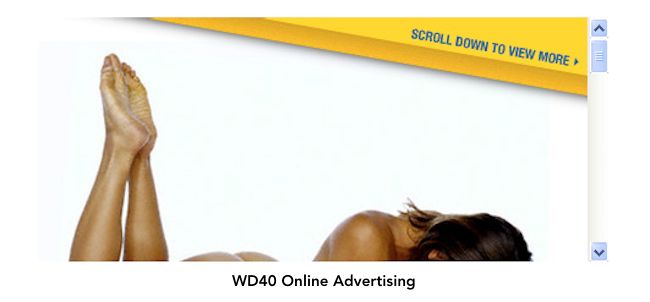
Humor, sex and curiosity are all emotional appeals.
Every once in a while, you run across an ad that you just can’t forget. Trident’s Facebook ad that appeals to emotions or pathos through some quirky logic as I am sure deodorant won’t taste like spearmint either.
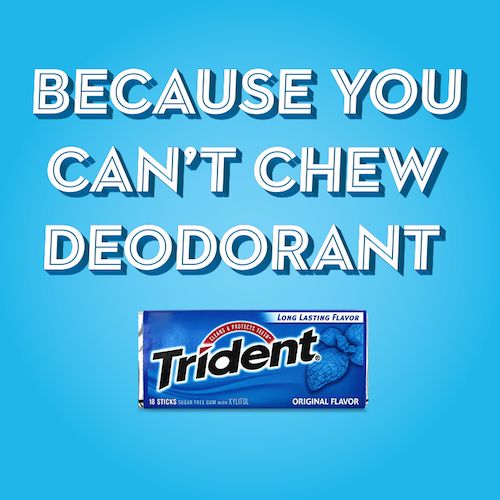
Example of emotional and logical appeal in persuasive copy for Trident’s online ads.
Although they usually resort to logic and ethos – 4 out of 5 dentists recommend – to craft persuasive copy.
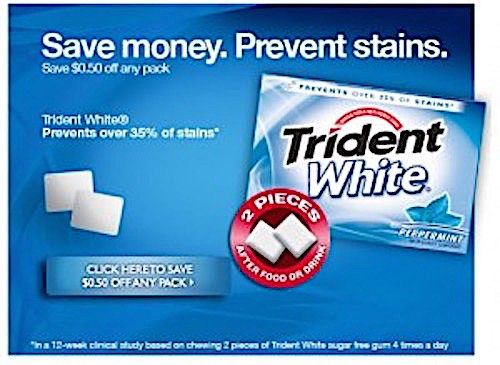
Trident Coupons: Save money, prevent stains.
Sandwich delivery ads leverage a mix of ethos or credibility (reviews, how many served), logical (pricing and selection) and emotional (fresh, good, smells, comfort) elements. Definitely great examples of persuasive copy in PPC ads.
Why it works:
These sandwich delivery ads go beyond just shouting “delicious subs here!” They tap into what truly convinces someone to click. Ethos is established through trust signals like star ratings and customer testimonials (“thousands served”), helping ease skepticism. The logical angle comes through in clear, upfront pricing, speedy delivery times, and the variety of options that remove barriers for anyone who’s hungry and indecisive. And of course, the emotional strings are pulled with sensory words: “fresh-baked,” “warm,” “craving satisfied.” Few things are as persuasive as the promise of immediate comfort food delivered to your door.
How to do it:
Consider who trusts your product and why. If you’re a sandwich shop, highlight the sheer number of happy customers or showcase glowing reviews from actual local diners. Sprinkle in mouthwatering descriptions to spark cravings. The most persuasive ads combine credibility (“Voted #1 by locals”), logic (“$5 footlongs, delivered in 30 minutes or less”), and emotion (“Satisfy your hunger fast, fresh, and just the way you like it”). This well-rounded approach earns the click and the lunch order.
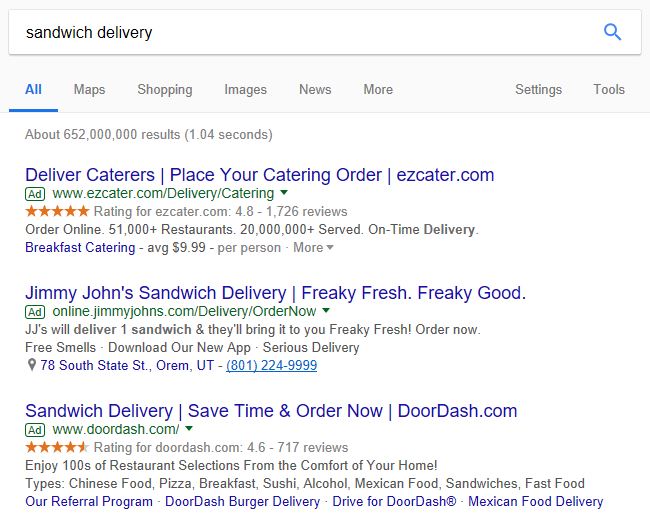
Sandwich delivery ads.
But why do these work so well? These ads don’t rely on just one tactic: they’re a buffet of persuasion. Showcasing reviews, highlighting how many sandwiches have been delivered, and tempting with fresh, comforting language, they hit every persuasion button in the book. Including a real customer review or sharing that “Over 1 million sandwiches delivered” gives your offer immediate social proof. When people see that others have trusted (and enjoyed) your product, they’re more likely to trust you, too.
Want to replicate this success? Make your value proposition personal and clear. Let your customers speak for you by weaving in their testimonials, or feature stats about your happy (and well-fed) clientele. The more tangible your credibility, the more irresistible your ad.
Pizza delivery examples of persuasive copy for Google Ads. One relies on logical and ethos vs emotional appeal.
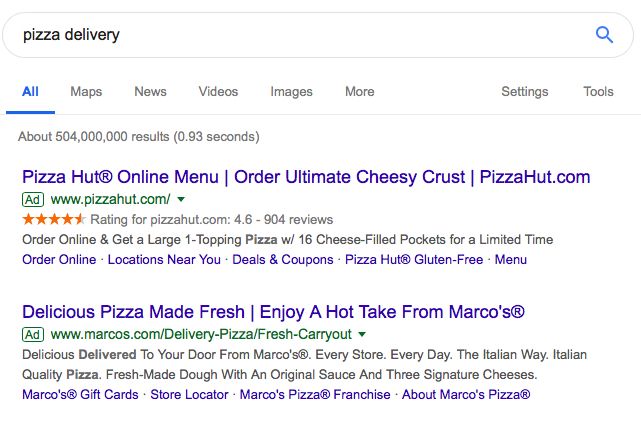
Logical and ethos vs emotional appeal for pizza delivery Google Ads.
Notice how one pizza ad leans on logic and trust—think “Voted #1 by locals” or “Delivered hot in 30 minutes, guaranteed”—while the other serves up mouthwatering emotion (“Melted cheese, fresh from the oven!”). Both approaches work, but combining a logical promise with a dash of emotional flavor is the secret sauce.
Nike sneakers Google Ads: These are not Nike stores, so they lack the brand’s built in credibility. Therefore, they use pathos or emotional persuasion on the headline and ethos appeal on the body via the rating reviews and the on time delivery percentage.

Pathos or emotional persuasion on the headline and ethos appeal on the body via the rating reviews that give credibility and the on-time delivery percentage.
It’s a classic move: If you don’t have instant brand recognition, borrow trust by leading with customer reviews (“Rated 4.9/5 by 10,000 sneakerheads”) and impressive delivery stats. Shoppers see others like them have had a great experience, and suddenly, your offer feels safer—and a lot more enticing.
How to make this work for you:
- Think about your main audience. Are you delivering to busy parents, late-night students, or sneaker collectors?
- Boast about who already trusts you. “Trusted by thousands of locals” or “The choice of marathon runners everywhere” is simple, but persuasive.
- Don’t just tell—show. Use real reviews or stats to back up your claims and let your customers do the talking.
In short, persuasive ad copy isn’t about choosing ethos, logos, or pathos—it’s about blending them for irresistible appeal.
The Nike Official store, is all about logical persuasion of product availability with some additional credibility elements as message support.
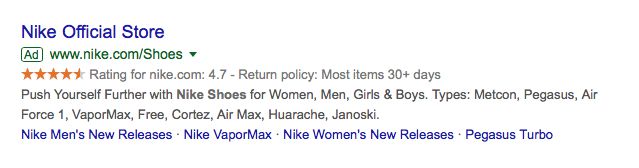
Nike official store Google ad.
PPC ad copywriting for a mobile ad with emotional appeal. Click to call the luxury location of your choice.
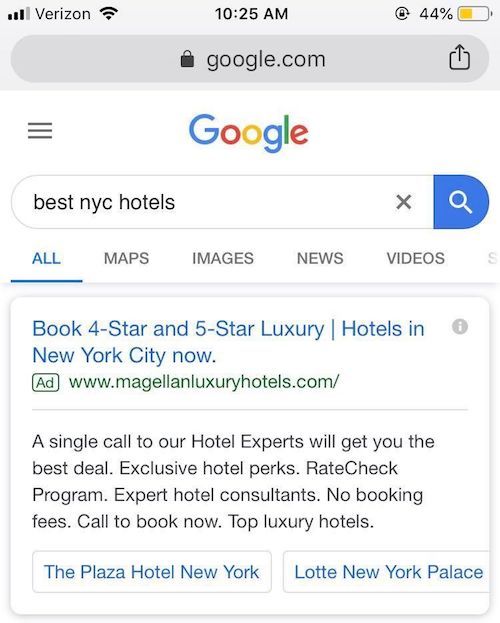
PPC ad for best NYC hotels. Luxury, of course.
This ad doesn’t just sell a room. It sells a feeling. The promise of luxury, comfort, and exclusivity is right at your fingertips (or thumb, in this case). Instead of simply listing amenities, the copy invites you to imagine yourself sinking into plush bedding, gazing at skyline views, or lounging in a spa robe. No need to ever leave your oasis in the city.
Why it works
The emotional pull here is all about indulgence and escape. The ad taps into the daydream of finding a hotel so perfect, you’d rather stay in than explore outside. The call-to-action is immediate and personal: “Click to call the luxury location of your choice.” You’re not just booking a room, you’re claiming your spot in a world of comfort.
How to use this approach
To channel this kind of persuasive power, let your ad copy paint a scene. Focus on the lush experience, the feeling of being pampered, and the effortless connection. One tap, and you’re transported from ordinary to extraordinary. Highlighting the emotional benefits, rather than just the features, makes your offer irresistible to anyone craving a touch of luxury.
So many persuasive reasons for that mileage traveler in you. Capital One Venture card uses ethos on their YouTube and TV ads but not on their Google Ads. Here it’s all facts
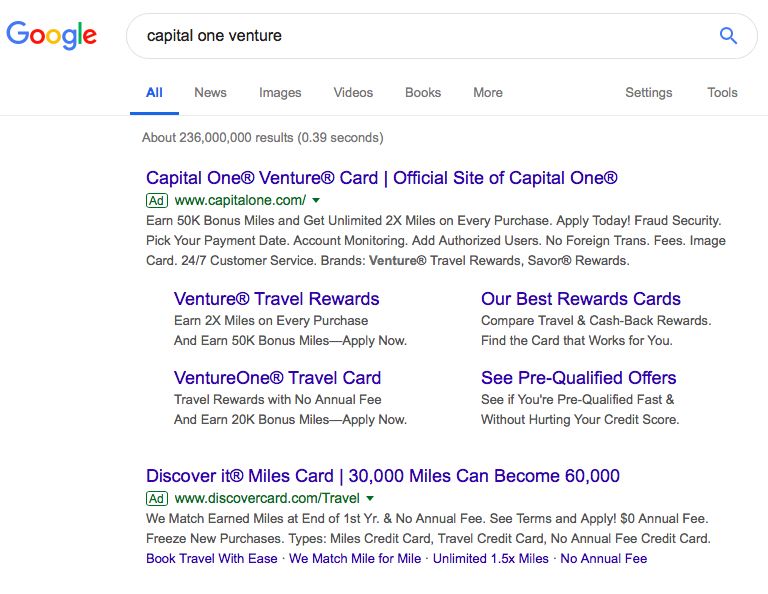
Capital One Venture card uses logos or logical appeal to persuade to click on this PPC ad.
I hope you found inspiration and ideas on these compelling examples of persuasive copy in online advertising. Now, discover how to Make Testimonials More Persuasive or sign-up to receive our weekly newsletter. Packed with great conversion optimization tips.